How to Pack Your House for Moving — Tips From the Pros
Packing for a house move doesn't have to be chaotic. These professional tips will help you pack efficiently, protect your belongings, and make unpacking at the other end much easier.
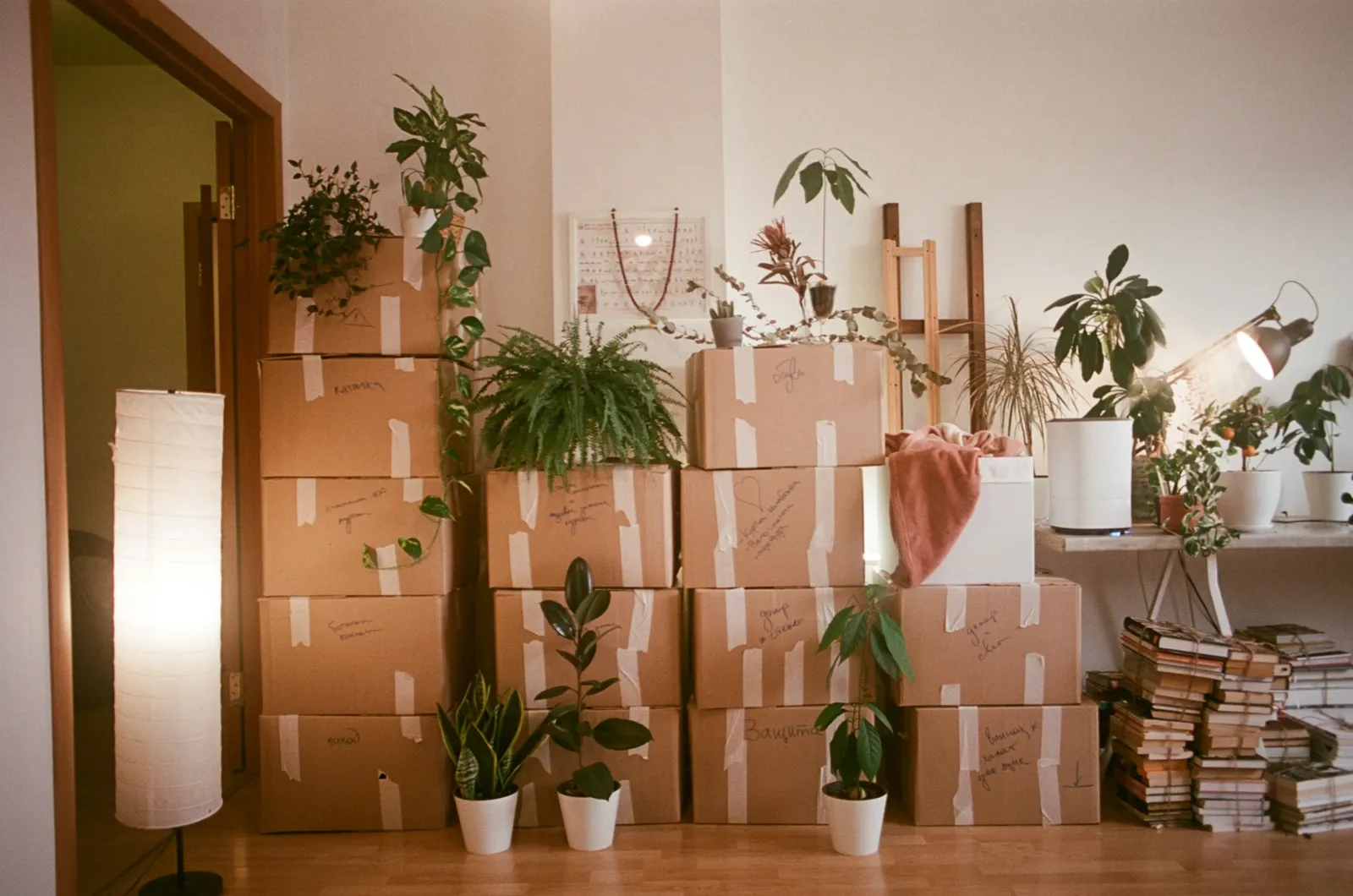
Knowing how to pack for moving house properly can save you hours of frustration on moving day — and ensure your belongings arrive in one piece. Whether you're doing it yourself or using a professional packing service, these tips will help you get organised.
Where to Start — Before You Pack Anything
The first rule of packing for a move is: don't just grab a box and start filling it. A little planning upfront makes the whole process faster and less chaotic.
Declutter first — there's no point packing and moving things you don't want. Sell, donate, or skip anything that isn't coming with you
Get enough supplies — underestimating the number of boxes is one of the most common mistakes. It's better to have too many than too few
Start early — begin with rooms and items you don't use daily, at least 4 to 6 weeks before moving day
Work room by room — keep everything from the same room together so it can go straight into the right room at the new property
Packing Materials You'll Need
Boxes — use proper removal boxes in a range of sizes. Heavy items go in small boxes; light items can go in large boxes
Bubble wrap — essential for fragile items
Packing paper or newspaper — for wrapping crockery, glasses, and ornaments
Strong packing tape — don't scrimp on this. Tape the bottoms of boxes well
Marker pens — for labelling
Wardrobe boxes — these tall boxes with a hanging rail are ideal for clothes on hangers
Mattress covers — protect mattresses from dirt during the move
Supermarkets will often give away free boxes if you ask — wine boxes are particularly good because they're sturdy and have dividers for bottles that also work for glasses.
The Room-by-Room Approach
Kitchen
The kitchen is the most time-consuming room to pack. Wrap every piece of crockery and glassware individually in packing paper. Pack glasses upright, not on their sides. Use small boxes for heavy items like pots and pans. Label the box "FRAGILE — Kitchen" so the removal crew knows to handle it carefully.
Bedroom
Use suitcases and holdalls for clothes — they're designed to be carried and protect clothing well. Wardrobe boxes mean you can transfer hanging clothes straight from your wardrobe without folding them. Pack bedding in vacuum bags to save space.
Living room
Books are heavy — use small boxes only, and don't overfill them. Wrap ornaments, photo frames, and artwork individually. Take photos of how your AV equipment is connected before unplugging — it saves a lot of guesswork when setting it up again.
Bathroom
Put toiletries in a zip-lock bag or cling film around the tops to prevent leaks. Pack bathroom items last — you'll need them right up until moving day and first thing the next morning.
The Labelling System That Works
Label every box on the top and at least two sides with:
The destination room (Kitchen, Master Bedroom, Living Room etc)
A brief description of contents (Glasses and crockery, Books, Bedding etc)
FRAGILE if applicable
THIS WAY UP if applicable
Some people use colour-coded tape — one colour per room. It makes it very easy for removal crews to put boxes in the right room without reading each one.
What NOT to Pack in Removal Boxes
Some items should travel with you in your car rather than on the removal van:
Important documents (passports, birth certificates, house purchase documents, insurance policies)
Medication and first aid items
Valuables (jewellery, cash, laptops, tablets)
Car keys and house keys
Anything you'll need on the first night (phone charger, toiletries, change of clothes)
Packing Fragile Items and Valuables
Wrap each fragile item individually. For glasses and mugs, stuff the inside with packing paper before wrapping the outside — this adds internal protection. Never put fragile items in black bin bags. Mark boxes clearly and make sure removal crew know which boxes need extra care.
Plants and Specialist Items
Large plants should travel in your car where possible. Most removal companies won't transport plants, aerosols, flammable liquids, or chemicals — check with your firm what's excluded. Specialist items like pianos, gym equipment, or large antiques may need specialist movers and should be discussed with your removal company in advance.
Book Your Removal Team
A great removal company works with you to make moving day as smooth as possible. EasyMuve helps you compare trusted removal firms in your area — so you can focus on the packing, and leave the heavy lifting to the professionals.
Ready to get moving?
Compare conveyancers, removal companies, surveyors and mortgage advisors. Free quotes.
Get Free Quotes →